01 / A NATURAL APPROACH
See the relationships.
We combine the principles of the natural world with the reality of how the body is structured.
Study Ecology in Motion™ with its creator, author of six books on Gua sha and an international educator with over 25 years of clinical experience. Komorebi Institute welcomes everyone, from complete beginners discovering Gua sha for the first time to experienced healthcare professionals seeking to deepen their knowledge and skills.
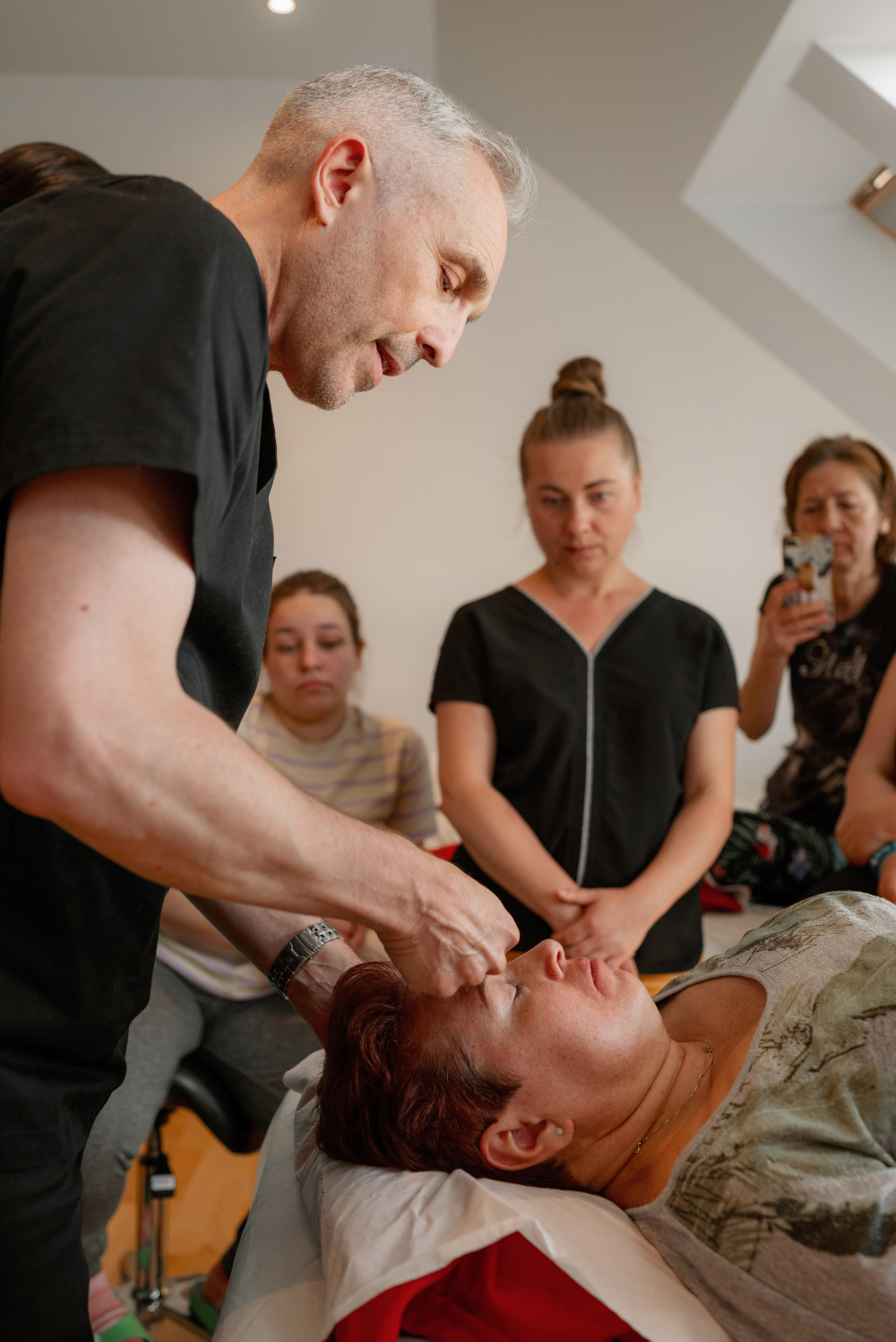 Observation. Understanding. Practice.
Join students from many backgrounds, from people discovering Gua sha for the first time to experienced practitioners seeking a deeper understanding of the body.
Whether you are learning for yourself, exploring a new direction, or developing an established practice, you can study Facial and Therapeutic Gua sha through practical teaching, careful observation, and a substantial theoretical foundation. Komorebi Institute welcomes learners from all backgrounds, with courses ranging from introductory study to advanced training that builds on earlier levels.
We combine the principles of the natural world with the reality of how the body is structured.
We teach techniques in context, so you can understand how to choose and adapt your approach rather than simply memorize a sequence.
You’re learning from Clive Witham, who has spent over two decades treating people and has written six books on the subject.
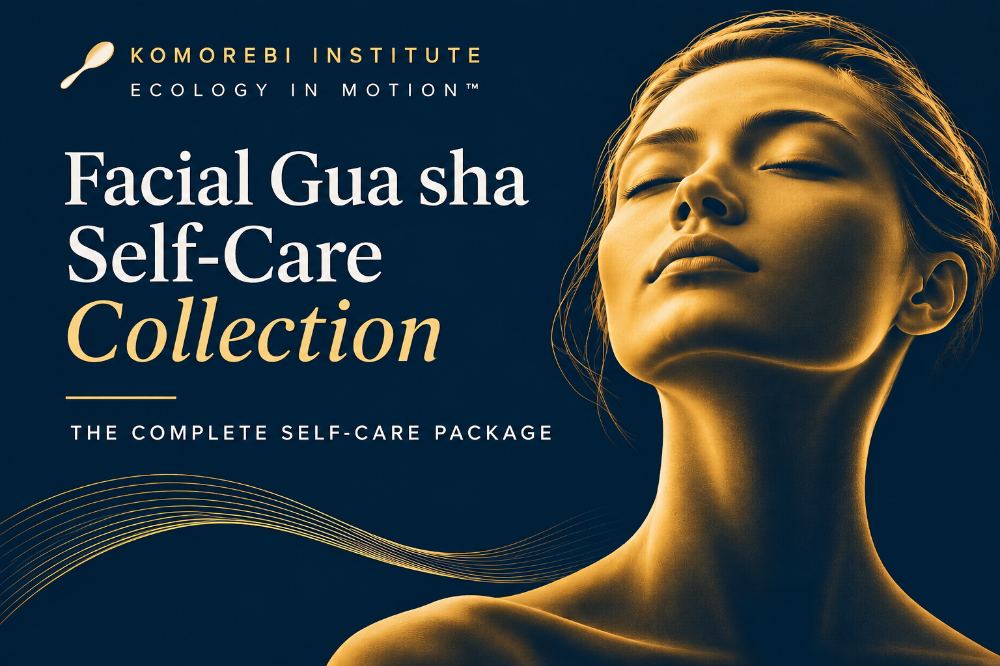
Discover how to care for your face and body using simple Gua sha techniques and an ordinary porcelain spoon. Learn to work with facial tension, explore the connections between the face and the rest of the body, and develop a routine that suits you.
Follow clear demonstrations at your own pace, from your first movements to a complete facial sequence. No previous experience needed.
Ecology in Motion™ teaches you to look beyond an isolated area of tension and observe relationships across the body. Drawing on more than 25 years of clinical practice and teaching, it explores how structure, circulation, movement, and tissue response inform the use of Gua sha.
The approach brings classical Chinese observations of nature into conversation with anatomy and contemporary science. Students learn to investigate what they see and feel, and to make thoughtful choices in their own practice.
Explore the EIM™ approach →︎Learn Gua sha for your own self-care, develop professional skills online, join hands-on training, or pursue the Professional Diploma. Choose the level and format that fit your goals.
Start whenever you are ready. Choose self-care study for your own face and body, or explore Facial and Therapeutic Gua sha in greater depth through our professional online courses. Choose a course that matches your interests and previous training.
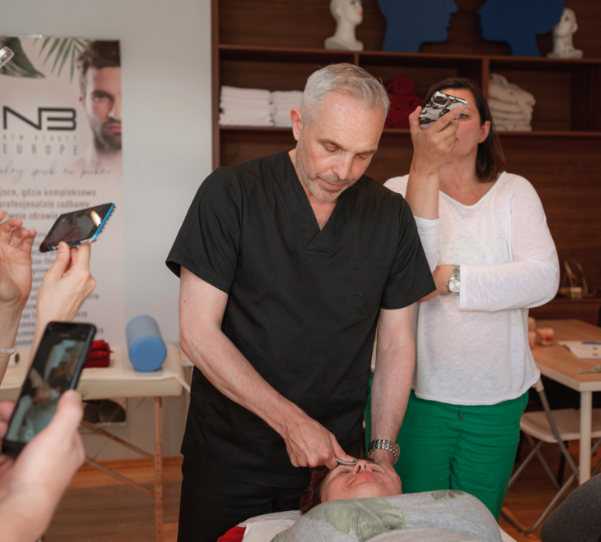
Study EIM™ Gua sha directly with Clive. Most of the course is devoted to supervised practice, where you can refine your pressure, angles, and technique with individual feedback, whatever your previous experience.
A 12-month program of guided study, practical work, and mentorship for students who want to investigate Gua sha in greater depth and develop their own treatment reasoning.
Hear from students who have brought new perspectives and practical skills into their work.
“Honestly, the best course I've ever taken, um, probably in my career of 15 years. So thank you so much.”

“The most fascinating class I have ever taken. The education is on a whole other level. We were both mesmerized from start to finish of the course.”
“I highly recommend this training - it will change your world and the world of your clients.”

“My entire practice has changed for the better after learning and applying the principles and techniques taught in course.”

There is no single route into Gua sha. Choose according to what you want to learn, how you prefer to study, and how far you want to take it. Some courses are suitable for complete beginners, while others build on previous training.
Explore Clive's bestselling guides. These books are designed for both the professional looking for a reference and the enthusiast practicing at home.
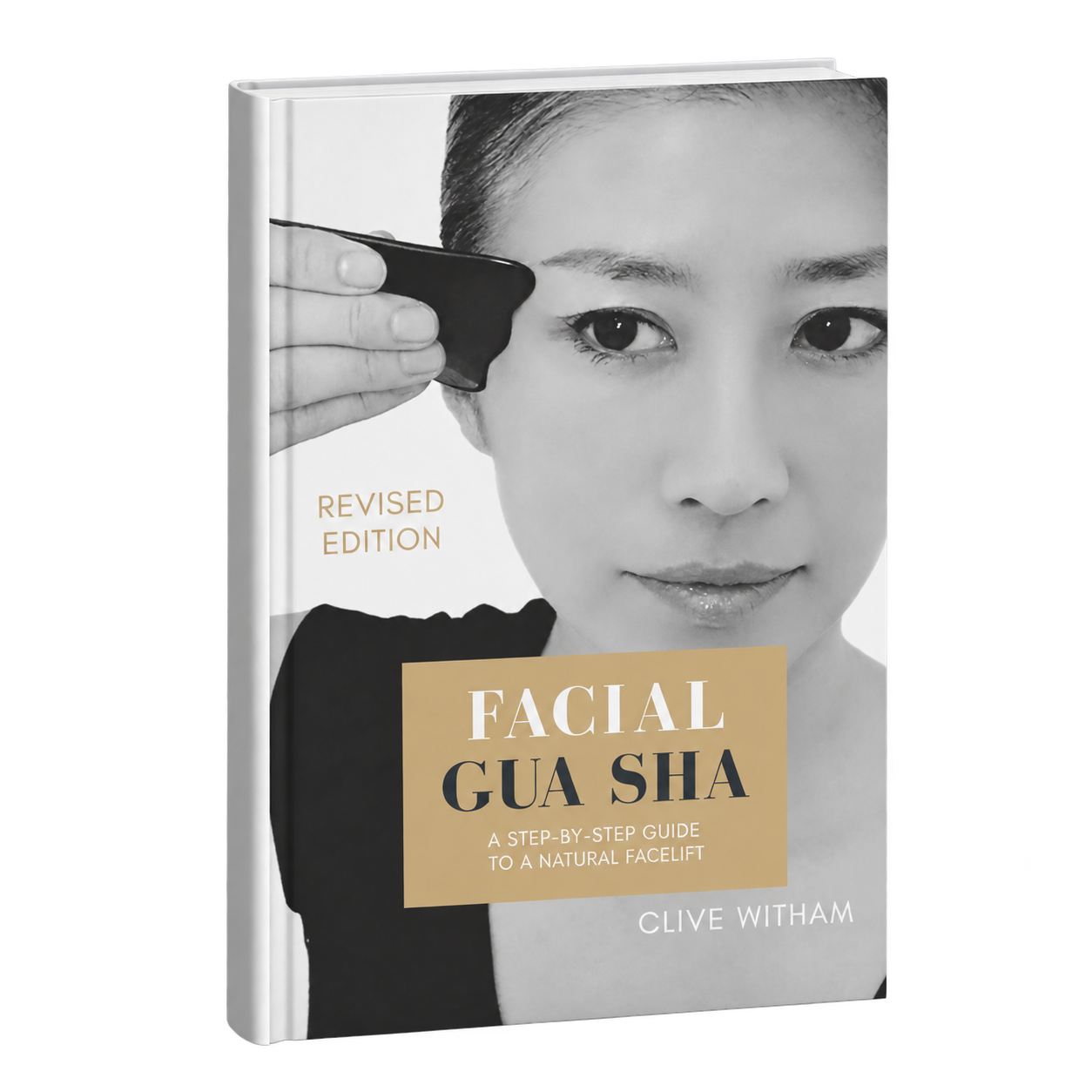
A Step-by-step Guide to a Natural Facelift
Explore the book →︎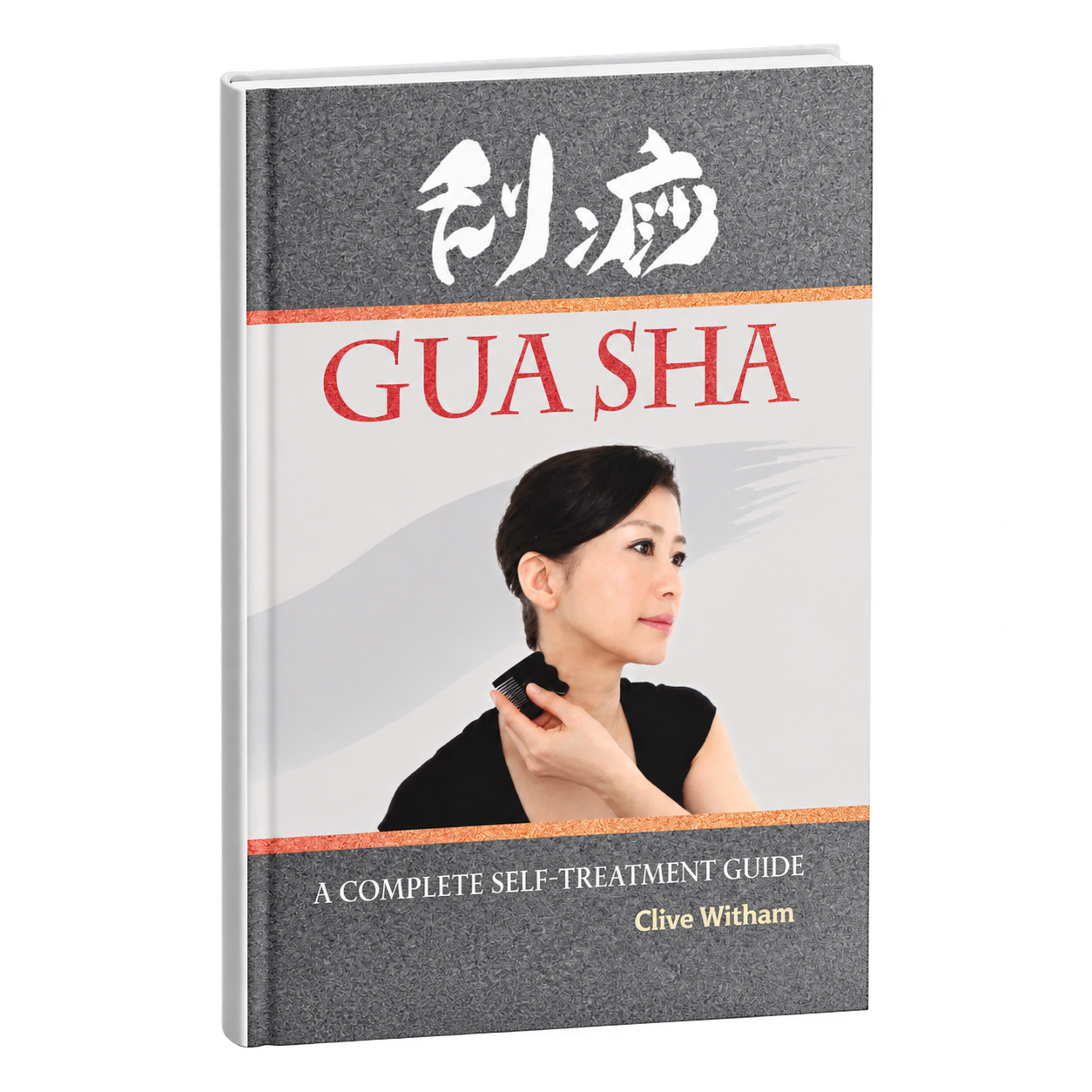
A Complete Self-treatment Guide
Explore the book →︎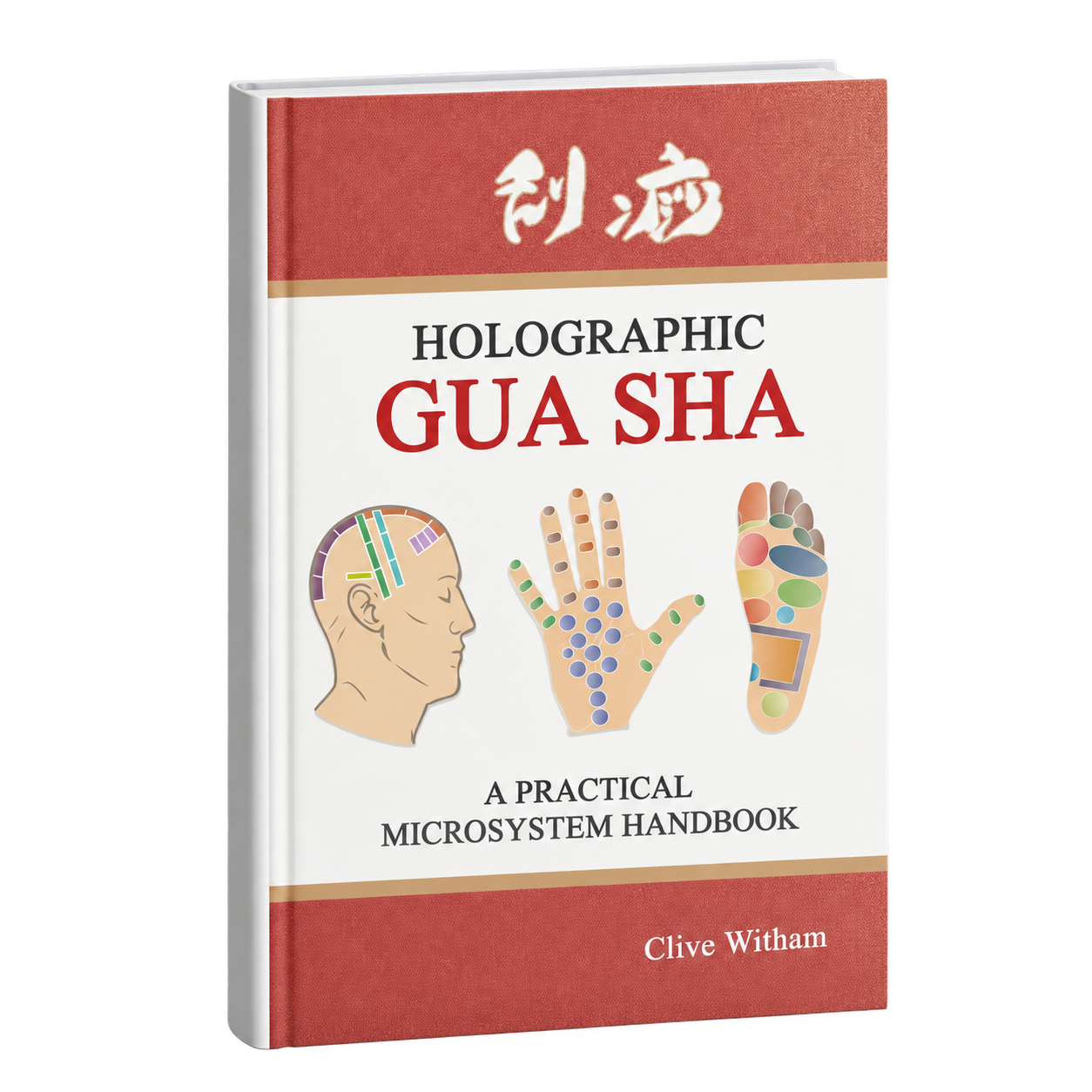
A Practical Microsystem Handbook
Explore the book →︎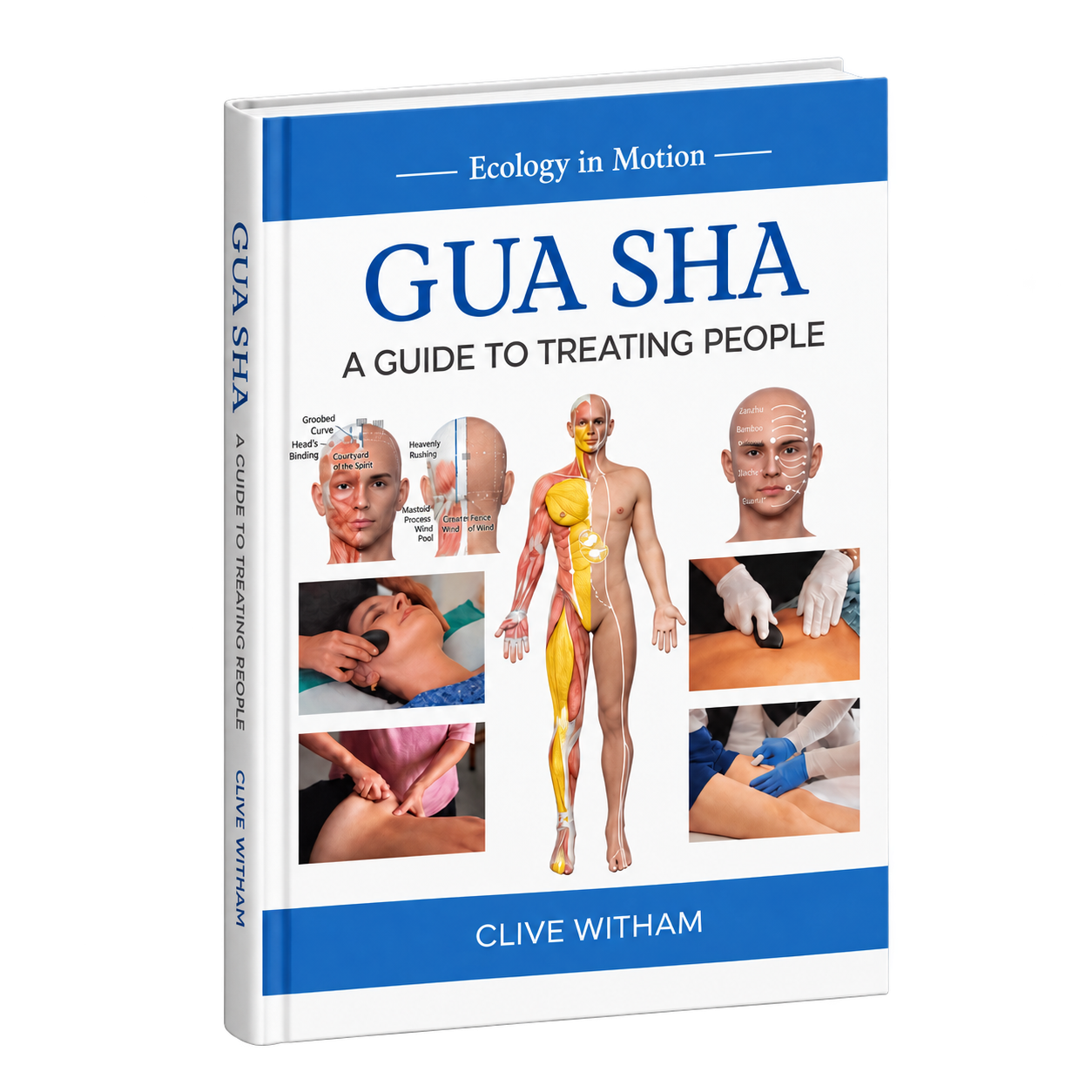
A Guide to Treating People
Explore the book →︎Practical insights, treatment ideas and stories from Clive Witham’s work in the clinic and the community. Explore the most popular episodes and browse the full show.
Explore the podcast →︎Gua sha, professional certification, study options and the ideas behind Ecology in Motion™.
Ask us a question →︎Gua sha is a therapeutic technique from within Chinese Medicine that involves scraping on the surface of the skin with a tool to induce a change in the tissue beneath. It is used in the treatment of common ailments, and even chronic and acute illness. It can also be used to enhance beauty and treat facial features in a combined approach called Facial Gua sha.
The basis of how Gua sha works in all of its forms is based on its improvement of blood circulation, the effect on the anti-inflammatory and immune responses, and the structural change in the biomatrix of the body.
While Gua sha can appear deceptively simple with the repetitive movements of the tool, it is in fact a highly sophisticated technique with an extensive history in fighting serious febrile illness. For this reason, it is often misunderstood, especially in terms of Facial Gua sha, where the prevalence of beauty techniques and lymphatic drainage has led people to believe it is something it is not.
This is one of the reasons that Ecology in Motion™ (EIM™) Gua sha exists. It is to restore Gua sha, both for Health and Wellness and Beauty, back within the natural context where it always should have been. This is because to understand Gua sha you have to know what happens within the body, and despite what you might think about Chinese medicine, there is nothing mysterious about it. In fact, you already know much of it as it is based on natural science and the environment around you.
Most people come across Gua sha through the images of red marks that sometimes appear after performing Gua sha on the body. If you don’t know what they are then you will probably see them in a negative light and presume that something painful might have happened. But these marks are not to be feared. In fact, for most people who have them, they are a relief and a sign that something very positive is happening in the body.
What you’re looking at is "sha". It’s one of the meanings of the second of the two characters that make up the word "Gua sha" - 刮痧. And what it signifies is that somewhere under the skin in that region, whether it be in the fascia, muscles, tendon, or ligaments, your capillary circulation was getting stuck. The tool caused a localized chain reaction and small amounts of blood cells were released into the area beneath your skin.
In a few days, these blood cells will be re-assimilated and the marks will fade but the idea is that the capillary circulation in the tissue region underneath is no longer stagnant. This is why the marks of sha are displaying something so beneficial for the body.
There are some places such as the face where sha is never usually desirable, but there are others such as the neck and shoulders where it is difficult not to bring out sha marks. Like all treatment areas in Gua sha, you can be trained with your techniques in how to elicit sha very easily without any effort and also how to hold the tool so you don’t elicit sha no matter how firm you are. These skills are essential in learning how to treat different areas of the body and face.
Gua sha, a traditional practice rooted in ancient Chinese medicine, offers both immediate and cumulative benefits, but the longevity of results depends on various factors. The immediate effects, such as improved blood circulation, tension release, or anti-inflammatory and immune responses bring about a temporary enhancement in your body's functions.
The duration and permanence of Gua sha results depend on several key factors:
Frequency of Practice: Regular Gua sha ensures that these advantages continually optimize your body's systems. The more consistently your body experiences these benefits, the more efficiently it functions, creating a positive and perpetual cycle of well-being.
Technique and Expertise:
The technique used and the expertise of the practitioner can also heavily influence the effectiveness and longevity of the results. Accurate targeting of areas for health concerns or facial features is pivotal. Individual Health and Lifestyle:
Each person’s response to Gua sha can vary based on their overall health, lifestyle, and even genetic factors.
So, are Gua sha results permanent? For more enduring results, consistency in practicing Gua sha is essential. Regular sessions ensure that the advantages are continually experienced, thereby optimizing your body's systems over time. The more consistently your body receives these benefits, the more efficiently it functions, creating a lasting cycle of health and well-being.
What is the correct way to pronounce 'Gua sha'? If we were to get technical, and delve into the specifics with the International Phonetic Alphabet (IPA), 'Gua sha' is pronounced as /gwa ʃa/.
Acknowledging linguistic challenges in the pronunciation of 'Gua sha'. Pronouncing Chinese words, including terms like 'Gua sha', presents unique challenges for non-native speakers, largely due to the distinct characteristics of Chinese languages. One key aspect is their tonal nature; the meaning of a word in Chinese can vary significantly based on the tone used, a concept that is often foreign to speakers of non-tonal languages. Additionally, the phonetics of Chinese include sounds that don't always have direct equivalents in other languages, which adds to the difficulty in achieving an accurate 'Gua sha' pronunciation. These linguistic nuances contribute to the complexity of pronouncing Chinese words correctly for those not familiar with the language. Given these complexities, it's understandable that non-native speakers may struggle with the exact native 'Gua sha' pronunciation. Therefore, this guide focuses on a simplified, widely accepted pronunciation that closely approximates the original 'Gua sha' pronunciation.
Breaking down the simplified pronunciation:
"Gua" sounds similar to the "gwa" in "guava"
"sha" sounds like the "shah" in the beginning of "shark" So, when you say "Gua sha," think of "gwa" followed by "shah" blending smoothly to convey the correct pronunciation.
Taking the time to learn the proper 'Gua sha' pronunciation is a small yet significant step towards bridging cultural gaps and promoting a more globally conscious approach to health and wellness practices.
Komorebi Institute welcomes students from a wide range of backgrounds, including complete beginners, estheticians, massage therapists, naturopaths, acupuncturists, physiotherapists, nurses, doctors, and other healthcare professionals. Some people want to learn Gua sha for themselves; others want to add it to an existing practice or begin a new direction.
You do not need previous healthcare training to start. However, some advanced courses have prerequisites. Facial Gua sha Levels 1, 2, and 3 are sequential, so each level builds on earlier training.
Yes. Beginners can start with an introductory Gua sha course, whether their interest is personal or professional. Our courses are designed for people with different backgrounds, and the teaching develops practical skills alongside an understanding of the principles.
Not every course is an entry-level course. Facial Gua sha Levels 1, 2, and 3 are sequential, and the later levels require earlier training. Online courses are self-paced with 12 months of access; live classes and the Professional Diploma have their own schedules and requirements.
If you want to learn Facial Gua sha for yourself, the Facial Gua sha Self-Care Course is an accessible place to begin. It includes guided lessons for the face and body, using the principles of Ecology in Motion™.
If you want to develop professional skills, you can also begin with entry-level Facial Gua sha training. You do not need an existing healthcare qualification to start, but Levels 1, 2, and 3 follow a sequence. The live training page explains the available levels.
The right Facial Gua sha certification depends on your aims and how you prefer to learn. If you want professional training, start with the foundational level and progress as your skills develop. Facial Gua sha Levels 1, 2, and 3 are sequential; later levels are not intended as starting points.
Online study offers flexibility, with 12 months of course access, while live training provides direct hands-on teaching. The course pages explain the content, assessments, and prerequisites so you can choose the most suitable route.
Yes, our Facial Gua sha training is crafted to elevate your skincare services beyond your competition, making it the perfect Facial Gua sha training for estheticians. Our comprehensive Facial Gua sha course covers essential techniques, complete protocols, the science behind Facial Gua sha, and practical applications tailored to estheticians.
If you are looking for a Gua sha course for massage therapists, both our Facial Gua sha and Therapeutic Gua sha courses are perfectly suitable for you. As a massage therapist, you understand the physical demands of your trade. Gua sha offers a unique and effective approach that is less physically demanding on the practitioner, while allowing you to treat clients with more efficiency and ease. Whether you would like to complement your facial or body massage treatments with Gua sha, or you’re looking to completely shift your services, the techniques you'll learn in these courses equip you with a skill that provides tangible, real results. So, yes, we have a Gua sha course for massage therapists designed to empower professionals like you.
Yes. Online Facial Gua sha certification allows you to study at your own pace, with 12 months of access to the course materials. The course includes video lessons, supporting resources, a personal tutoring session, and a practical video assessment with feedback.
Students who continue their Gua sha education with eligible live classes or the Professional Diploma may also receive a reduced price. Check the current course information for the applicable progression arrangements.
Yes. Our self-paced online Gua sha courses give you 12 months of access, allowing you to plan lessons and practice around work and other commitments. You will still need time to complete any required assessments.
Live classes take place on fixed dates, while the Professional Diploma has a structured schedule, weekly work, and supervision. Check the format and time commitment for the course you are considering.
Clive Witham teaches live Facial Gua sha and Therapeutic Gua sha classes internationally. These classes provide hands-on guidance and opportunities to practice and ask questions directly.
For current locations, dates, and enrollment details, visit the Facial Gua sha live training and Therapeutic Gua sha live training pages. You can also follow Clive on Instagram for updates.
Beyond mere certification, our Facial Gua sha courses elevate your treatments beyond what you thought they could be. It's not just about learning a couple of techniques and movements; it's about captivating clients with something that goes beyond the boundaries of superficial skincare treatments. By delving into the inner workings beneath the skin's surface, you'll gain the knowledge and expertise to address facial features at their core. This deeper understanding allows you to bring about profound transformations, supporting more informed and individualized treatment. Moreover, you'll be able to craft a narrative that sets you apart in the industry, making your approach and services truly unique.
Led by renowned Gua sha expert Clive Witham, this Gua sha course bridges the gap between anatomy and natural science, providing you with the knowledge to tap into the body's natural rhythms and circulation system. By applying the intricate patterns observed in nature to the human body, you'll gain a deeper understanding of the body's inner workings. This Gua sha course will equip you with the knowledge, skills, and confidence to perform Gua sha treatments with precision, efficiency and effectiveness. Learn how to use the right tools, safely administer treatment, and adapt your approach for both acute and chronic health conditions. This Gua sha course is about setting you up to achieve tangible results, leaving clients happy and transformed.
Transitioning to Gua sha studies is a strategic and rewarding choice for professionals in holistic health, wellness or Chinese medicine. Integrating Gua sha into their repertoire enables practitioners to significantly expand their range of treatments. It complements and enhances existing therapies, catering to a diverse spectrum of patient needs with greater efficacy. This specialization does more than just diversify a practice – it equips practitioners with a technique that is not only effective, efficient, and non-invasive for patients but also ergonomically beneficial for therapists.
Gua sha can complement a range of holistic, naturopathic, and Chinese medicine practices. For example, practitioners may use it alongside acupuncture or massage to work with tissue tension, movement, and local responses to treatment.
How it is integrated depends on the individual, the treatment aims, and the practitioner's training and scope of practice. Gua sha offers another set of techniques and observations rather than a guaranteed improvement to every other therapy.
Gua sha certification can broaden the practical skills of people working in holistic health, naturopathy, and Chinese medicine. Training develops an understanding of technique, pressure, treatment selection, and how to observe responses, which may complement existing approaches such as acupuncture, massage, and herbal medicine.
Certification records completion of the relevant training and assessment. It does not replace any professional license or permission required to practice where you work.
Whether you need a license to practice Gua sha depends on your location, the services you provide, and the context in which you use it. Rules can vary between countries, states, and professional disciplines.
Before offering Gua sha professionally, check local regulations, any relevant licensing board or professional association, and your insurance requirements. A training certificate does not automatically authorize professional practice.
Gua sha certification at Komorebi Institute combines an understanding of the principles with practical technique. Courses explore observation, treatment choices, pressure, direction, and responses to treatment, drawing on Chinese medicine, anatomy, and Ecology in Motion™.
The precise requirements depend on the course. They may include knowledge assessments, practical demonstrations, video submissions, or supervised practice. The current course page sets out what you must complete to receive certification.
To obtain Gua sha certification, enroll in the appropriate course and complete its required learning and assessments. These vary by program. In the online Therapeutic Gua sha course, students complete a knowledge examination and a practical video assessment to demonstrate their understanding and technique.
The online Therapeutic Gua sha course also includes a personal tutoring session for individual guidance and feedback. Professional online courses provide 12 months of access, while the Facial Gua sha Self-Care Course provides 24 months of access; consult the relevant course page for the current assessment requirements and progression options.
Selected Ecology in Motion™ Gua sha courses offer continuing education credits. For example, eligible four-day live Facial Gua sha training offers 32 NCBTMB continuing education hours. Credit amounts and recognition vary by course and professional body, so check the current course details and confirm acceptance with your licensing board or association.
Because we are not just some opportunistic influencers riding a trend. I live and breathe Gua sha. I've been treating my two sons since they could fit in my arms, and I've extended that care to thousands of patients all over the world. Countless hours of clinical experience, deep dives into ancient Chinese texts, and staying on top of the latest studies. This is what I bring to the table. I will promise you one thing: what you'll learn in our courses goes beyond anything you've ever learned in other Gua sha courses.
The Ecology in Motion™ approach is a unique blend of ancient Chinese medicine, natural science, and modern biology. It's about understanding the intricate web of connections within the face and body's biomatrix. This method empowers you to not only grasp the intricacies of these connections but also to actively engage with them. We manipulate the fascial, muscular, and circulatory landscapes to bring about real and meaningful change to the face and body.
My work has taken me from studying underfunded healthcare in Uganda to clinical practice and teaching in different countries. Through Komorebi Projects and The Gua Sha Project, I have also worked to make Gua sha education more accessible in community and healthcare settings.
Recent projects have included teaching and community work in Sri Lanka and Colombia, in collaboration with local people and organizations. You can explore this work in the Institute's Projects section.
The Gua sha Show is my podcast, exploring Gua sha, its history, practice, and the ideas behind Ecology in Motion™. It is available through podcast platforms and the Institute's Resources section.
The Institute's Articles section is where you can explore written material on Gua sha and Chinese medicine. Earlier writing from The Gua sha Journal is being adapted for this section, so not every older article is available there yet.
For updates about Gua sha courses, new books, articles, and educational resources, follow Clive Witham on Instagram or visit the Komorebi Institute website. The individual course pages have the latest training dates and enrollment details.
Begin with the How should you start? guide on this page. If your interest is personal care, explore the Facial Gua sha Self-Care Course. For professional study, compare the Facial Gua sha and Therapeutic Gua sha training pathways.
Beginners are welcome at the appropriate starting level. Advanced Facial Gua sha Levels 2 and 3 follow the earlier levels of training.
The Komorebi Institute is dedicated to training the next generation of Gua sha practitioners. It is focused on developing the knowledge and practical skills from the world of nature-based Chinese medicine and to apply these to foster effective Gua sha treatments.
The institute exclusively researches, trains and provides a knowledge base for Gua sha, and is also at the forefront of promoting Gua sha as an effective low-cost, community-based therapy in the majority world, and especially in countries where healthcare facilities are limited.
About the Institute →︎Whether you are beginning with self-care, adding Gua sha to your existing work, or pursuing advanced study, Komorebi Institute offers a place to learn with care, curiosity, and intellectual depth.